I’m a Cyclist and Physical Therapist, and This is What I Do To Power the Gluteus Medius

Unlock the Secret of the Gluteus Medius to Improve Pedaling Strength, Efficiency, and Prevent Injury

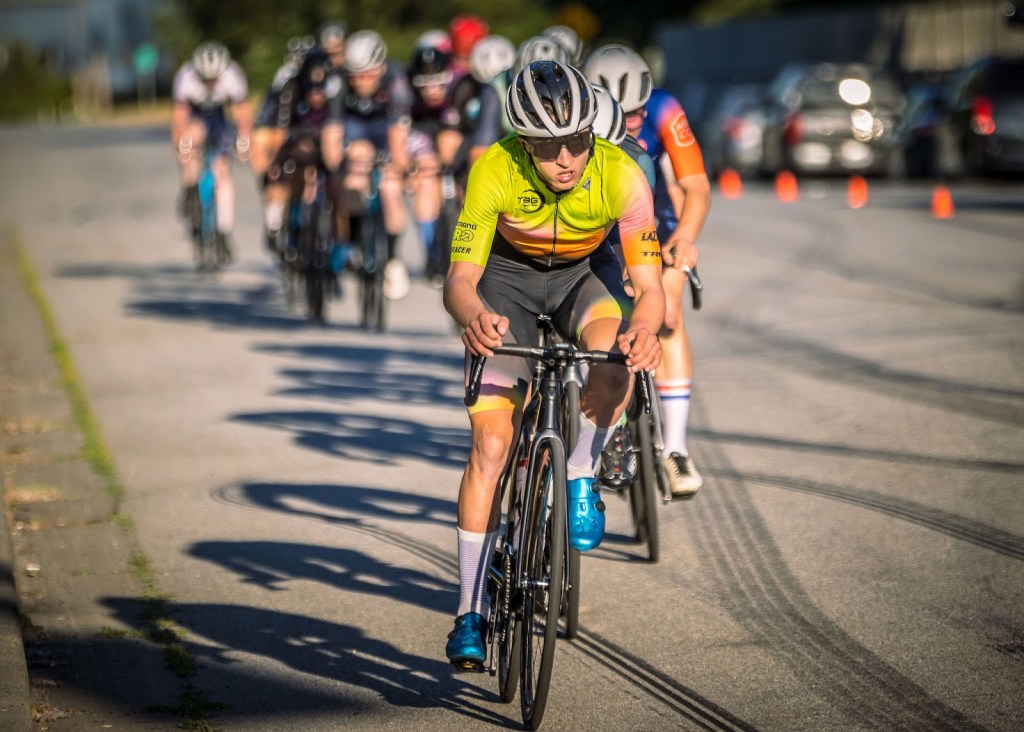
Two cyclists racing
Photo courtesy TLB Velo Photography @TLBVelo.com

The Gluteus Medius: A Cyclist's Secret Weapon

Alright, let’s get down to straight talk. The gluteus medius might not be a muscle you talk about during the local group ride cafe stop, but for us cyclists, it’s like the secret sauce that makes each ride smoother and more powerful. 


The gluteus medius is like the unsung hero of the cycling muscle world. It has a hand in power generation, injury prevention, balance, stability, and hip mobility. So, if you want to up your cycling game, it’s time to give this mighty mini-muscle the attention it deserves. Here’s why:

Powering Your Pedal Strokes

When you’re pedaling, the gluteus medius muscle is working overtime. It’s crucial in stabilizing your pelvis and providing the necessary downward force to drive the pedals. The gluteus medius also works to counteract the inward rotation of your hip. Without it, the abnormal biomechanics at the hip and knee could lead to overuse injury.

Injury Prevention

Nobody wants to be sidelined by an injury, especially cyclists when the trails and open roads call your name. The gluteus medius is like a domestique for your hips and knees. It helps keep your knees aligned and prevents them from caving in, which is essential when pushing the pedals with force. A weak gluteus medius can lead to knee pain and other overuse injuries. So, keeping it strong is like an insurance policy for your joints.

gluteus medius cycling piriformis image
Improved Balance and Stability

Balance is key, whether you’re navigating a technical trail or making a sharp turn. The gluteus medius is like the star player in this department. It helps to control the lateral movement of your hips, which is essential for maintaining balance on the bike, especially during standing climbs or when maneuvering through tricky sections.

Enhanced Endurance

Endurance is the name of the game in long rides. A strong gluteus medius ensures your pedaling mechanics stay efficient, even as fatigue sets in. You will maintain a good pace for extended periods without compromising form or efficiency.

Better Hip Mobility

For a fluid pedal stroke, hip mobility is a must. The gluteus medius is crucial in moving your leg away from the midline of your body (hip abduction). Strengthening this muscle can improve the hip joint’s range of motion, which is beneficial for a smooth and efficient pedal stroke.

dead butt syndrome gluteus medius cycling image

Anatomy 101: Getting to Know the Gluteus Medius

Before we dive into exercises, let’s take a nature break to understand the anatomy of the Gluteus Medius. Knowing what’s under the lycra can help us fine-tune our training for maximum performance.

The Location of the Cyclist's Gluteus Medius

The Gluteus Medius is one of the three major muscles that make up what we commonly refer to as the glutes. The others are the Gluteus Maximus and Gluteus Minimus. The Gluteus Medius is sandwiched between these two, sitting near the outer surface of the pelvis.


The Gluteus Medius originates from the ilium’s outer surface, above the hip joint socket on the pelvis. It then runs towards your thigh and inserts into the greater trochanter of the femur (the big bone in your upper leg). When this muscle contracts, it pulls the thigh outward and rotates it to the side. That’s why it’s crucial for hip abduction and keeping the pelvis stable during movement.

The Role a Cyclist's Gluteus Medius Plays

Envision your pelvis as a streamlined suspension bridge. The gluteus medius muscle is the cable connecting the ilium (pelvic bone), akin to the top of the bridge tower, to the greater trochanter of the femur (long thigh bone), like the anchor on the roadway. The gluteus medius counterbalances and stabilizes your pelvis as you apply force through the pedals, lean into curves, or rise from the saddle to climb. It functions like tension cables that keep the bridge from swaying too much. When you stand on one foot or climb out of the saddle, the muscle tightens to keep your pelvis stable to maintain a solid power base.


The Gluteus Medius has a couple of significant jobs:


Hip Abduction: This is a fancy term for moving your leg away from the center of your body. Imagine you’re standing and lifting your leg to the side without bending the knee—that’s hip abduction.


Hip External Rotation: When the gluteus medius contracts, it turns your leg outward by rotating at the hip. In turn, when it is engaged, it counteracts inward rotation forces at the hip and lower extremities.


Pelvic Stabilization: When walking, running, or cycling, the gluteus medius acts like a stabilizer to keep your pelvis level. Picture it as the balancing force that prevents your hip from drooping every time you take a step or pedal.

best psoas muscle exercise image

The Trendelenburg Test: A Quick Check for Cyclist Gluteus Medius Strength

Now that we appreciate the significance of the cyclist’s gluteus medius, how about a quick and easy way to check its strength?

What is the Trendelenburg Test?

The Trendelenburg Test is a physical examination that helps to assess the strength and function of the gluteus medius muscle. It’s simple, and you can do it at home without assistance.

How to Perform the Trendelenburg Test
  1. Stand in Front of a Mirror: This lets you see your pelvis and hips.
  2. Place Hands on Hips: This helps you feel the position of your pelvis.
  3. Lift One Foot Off the Ground: Stand on one leg and lift the other foot off the ground. Hold this position for 10-30 seconds.
  4. Observe Your Pelvis: Watch the hip of the lifted leg in the mirror. If your gluteus medius is strong, your pelvis should remain level, or the hip might even rise slightly. If it’s weak, the pelvis will drop on the side of the lifted leg.
  5. Repeat on the Other Side: It’s essential to check both sides as there might be differences in strength.
What is a Trendelenburg Gait?

A Trendelenburg Gait is when someone walks with a characteristic hip sway due to a weak gluteus medius. When the person steps on one leg, the pelvis drops on the opposite side instead of staying level. It’s often a sign of gluteus medius weakness or dysfunction and appears as a waddling type of walk.


The Trendelenburg Test is a simple yet effective way to assess the strength of your gluteus medius. If you spot a weakness or you have a positive Trendelenburg test, don’t worry! With targeted exercises, you can get your gluteus medius back in top shape and keep your pedals spinning smoothly.


Now that we’ve become close and personal with the Gluteus Medius, it’s time to implement this knowledge. 

Group of cyclists racing
Photo courtesy TLB Velo Photography @TLBVelo.com
1. Squats
  1. Stand with feet shoulder-width apart.
  2. Push your weight back into your heels.
  3. Lower your body as if sitting in an invisible chair, keeping your back straight.
  4. Make sure your knees don’t go past your toes.
  5. Push back up to stand.
  6. Optional: Hold weights for added resistance.
2. Hip Thrusts
  1. Sit in front of a bench with your back against it.
  2. Bend your knees, feet flat on the ground.
  3. Place a barbell across your hips for added weight.
  4. Lift your hips off the ground by pressing through your heels.
  5. Lower your hips back to the ground.
3. Pistol Squats
  1. Stand with feet hip-width apart.
  2. Extend one leg straight in front of you.
  3. Lower your body on the standing leg, keeping your extended leg straight.
  4. Push through your foot to stand back up.
4. Single Leg Step-Ups
  1. Stand in front of a box or step.
  2. Place one foot on the box.
  3. Push through the foot on the box to step up.
  4. Step back down and repeat on the other leg.
5. Conventional Deadlifts
  1. Stand with feet hip-width apart.
  2. Bend at the hips and knees to grip a barbell or kettlebell.
  3. Keep your back straight as you lift the weight by straightening your hips and knees.
  4. Lower the weight back down.
6. Side Plank Hip Abduction
  1. Lie on your side with your legs straight.
  2. Prop yourself up on your elbow.
  3. Lift your top leg as high as you can.
  4. Lower it back down and repeat on the other side.
7. Single-Leg Romanian Deadlifts
  1. Stand with one foot slightly in front of the other.
  2. Hinge forward at the hips, lowering your torso and raising your back leg.
  3. Keep a slight bend in your front knee.
  4. Return to the starting position.
8. Lunges
  1. Stand with feet hip-width apart.
  2. Take a step forward with one foot.
  3. Bend both knees to lower your body.
  4. Push through your front foot to return to the starting position.
  5. Repeat on the other leg.
9. Banded Lateral Walks
  1. Place a resistance band around your ankles.
  2. Squat down slightly.
  3. Take steps to the side, keeping the band taut.
  4. Take 10 steps in one direction, then switch.
10. Clamshells
  1. Lie on your side with your legs bent at 90 degrees.
  2. Keeping your feet touching, lift your top knee as high as possible.
  3. Lower it back down and repeat on the other side.
11. Single-Leg Leg Press
  1. Sit in a leg press machine.
  2. Place one foot on the footplate.
  3. Push the footplate away, then bring it back toward you.
  4. Repeat on the other leg.
12. Single-Leg Glute Cable Kickbacks
  1. Attach an ankle strap to a cable machine and loop it around one ankle.
  2. Lean forward slightly, keeping your back flat.
  3. Lift the leg attached to the machine back behind your body with control.
  4. Pause at the top of the movement.
  5. Slowly bring your leg back to the starting position.
  6. Repeat on the other leg.

Remember, starting with a manageable weight and focusing on proper form to avoid injury is essential. As you get more comfortable with the exercises, you can gradually increase the weight or resistance to continue challenging your muscles.

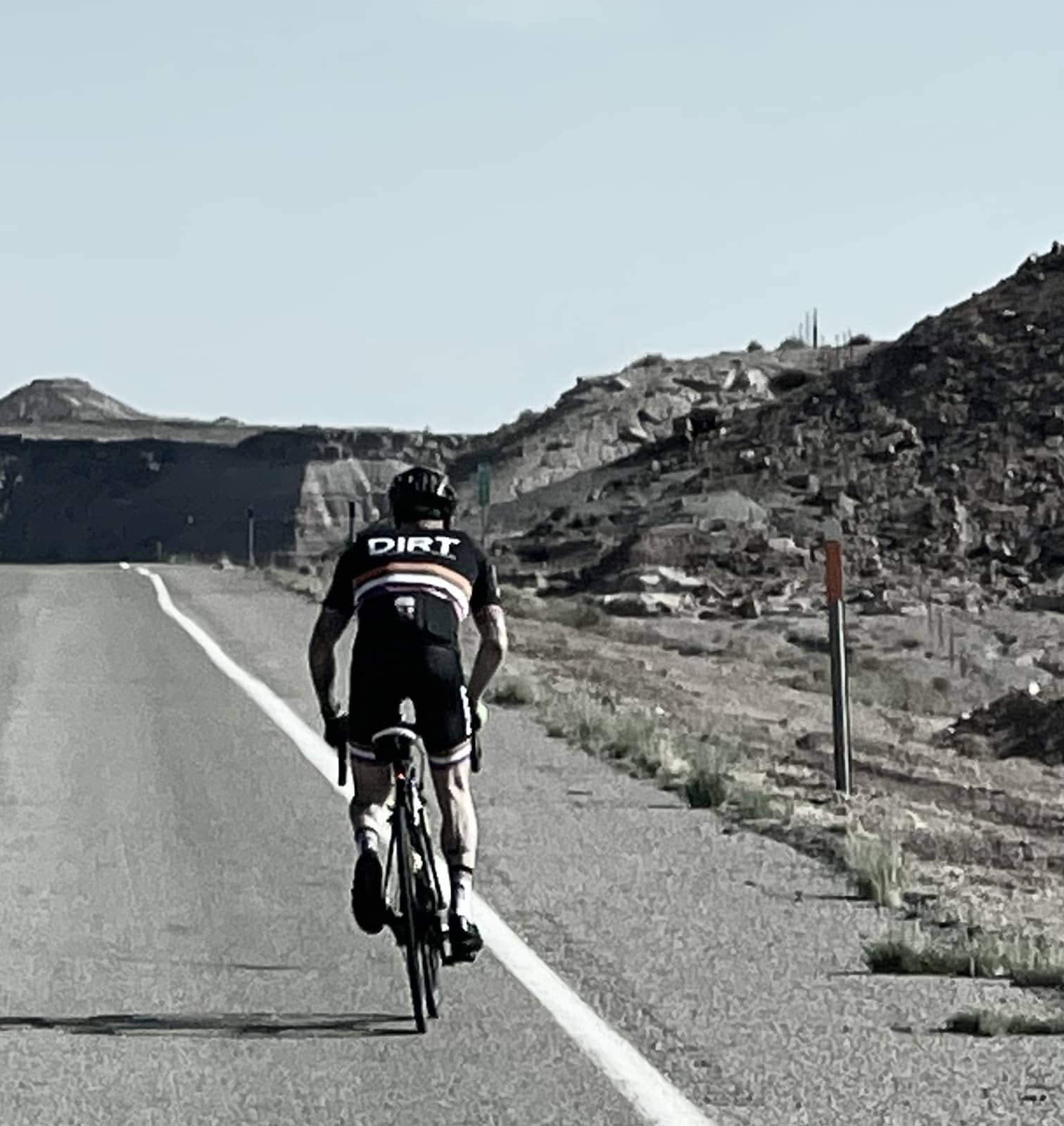
group of cyclists riding away down a road
Photo courtesy TLB Velo Photography @TLBVelo.com

Conclusion—Unlocking The Potential of a Cyclist’s Gluteus Medius

We’ve pedaled through the ins and outs of the mighty gluteus medius, and it’s clear that this muscle is a neglected powerhouse in the cycling world. From the anatomy and importance to its specific role in the pedal stroke, the gluteus medius is like the unsung hero that deserves recognition.


For amateur enthusiasts and professional cyclists, paying attention to this muscle can significantly improve performance, efficiency, and injury prevention. The exercises we’ve explored are your toolkit for building a stronger gluteus medius. Remember, it’s not just about having strong muscles but the right muscles working together as a team.

To subscribe to the Zommunique and receive more informative and entertaining articles like this one sent directly to your inbox, click here!

Subscribe
Notify of
guest

0 Comments
Inline Feedbacks
View all comments

Latest Podcast!

Virtual Velo Podcast Ep. 88 Jason Osborne
Check out Episode 88 here!
UCI Cycling Esports World Championship LiveBlog
Click to join the fun!

Latest Posts!

Use code ZOMM50 at checkout for $50 off your Velocity Rocker Plate order exclusively for our followers!

Wahoo Run Smart Treadmill
Click the image to be one of the first to get the revolutionary Wahoo Run Smart Treadmill!
Zwift ride frame
Click for complete line of Zwift Bikes!

Do you want to join the VVN team? Tap the logo for details!

The Zommunique’ Community gets 10% off at LEVELVelo.com with coupon code “TheZomm gives 10% off”   

Broadcast Partner to The Virtual Velo Network!

The DIRT Dad Fund

Contribute to a great cause!

The DIRT Dad Fund

Share the power of The DIRT Effect

Click to see the full Zwift product line!

Jaclyn Long, MFT

Certified Yoga & Mindfulness Teacher

Marriage & Family Therapist in CA

Sports Anxiety Therapy

Purchase your Zwift Play controllers here!

0
Would love your thoughts, please comment.x
()
x
The Zommunique
Privacy Overview

This website uses cookies so that we can provide you with the best user experience possible. Cookie information is stored in your browser and performs functions such as recognising you when you return to our website and helping our team to understand which sections of the website you find most interesting and useful.