

Discover how to overcome the challenges of cycling with Raynaud's disease. Our guide provides tips on staying warm, taking breaks, and listening to your body.
Cycling is a great way to improve cardiovascular health, build strength, and enjoy the outdoors. However, the experience can be challenging and uncomfortable for cyclists with Raynaud’s Syndrome. Raynaud’s Syndrome is a condition that affects blood flow to the extremities, causing the fingers and toes to turn white or blue and feel cold, numb, and painful.
As a result, cyclists with Raynaud’s Syndrome struggle to maintain a comfortable body temperature and a safe grip on the handlebars. There are tips and strategies for cyclists with Raynaud’s Syndrome to help them continue to enjoy the sport while minimizing symptoms.
The right cycling accessories and safety measures will help cyclists manage Raynaud’s symptoms while on the road and make the difference between misery and joy.
Understanding Raynaud's Syndrome
Raynaud’s Syndrome is a condition that affects blood flow to the fingers, toes, ears, and nose. It results from narrowing blood vessels in response to cold temperatures or stress, which can restrict blood flow to these areas. The narrowed blood vessels can cause the affected areas to turn white or blue, feel cold and numb, and then turn red and throb as blood flow returns.
Symptoms of Raynaud’s Syndrome can vary from person to person, but common signs include numbness, tingling, and a feeling of coldness in the affected areas. Risk factors for Raynaud’s Syndrome include exposure to cold temperatures, stress, smoking, and certain medical conditions such as autoimmune diseases.
If you suspect you have Raynaud’s Syndrome, seeing a healthcare provider for diagnosis and treatment is essential. Treatments may include medications, lifestyle changes, and avoiding triggers that can worsen symptoms.
How Common is Raynaud's Syndrome?
Raynaud’s Syndrome is a medical condition that affects the blood vessels in the fingers, toes, ears, and nose. It is estimated to affect 5-10% of the general population, with a higher prevalence in women and people in colder climates.
According to a study published in the Journal of the American Medical Association, the prevalence of Raynaud’s Syndrome was 9.6% in women and 5.6% in men in the general population of the United States. The study also found that the prevalence of Raynaud’s Syndrome increased with age, with a higher prevalence in people over 70.
Another study published in the British Journal of Dermatology found that the prevalence of Raynaud’s Syndrome was higher in people who worked in jobs with exposure to vibration, such as construction workers or drivers of heavy machinery. The study also found that the prevalence of Raynaud’s Syndrome was higher in people who smoked or had a family history of the condition.
In addition to these risk factors, Raynaud’s Syndrome occurs alongside other medical conditions, such as autoimmune diseases, including lupus and scleroderma. A study published in the Journal of Rheumatology found that the prevalence of Raynaud’s Syndrome was significantly higher in people with autoimmune diseases than in the general population.
Overall, the prevalence of Raynaud’s Syndrome varies depending on various factors such as age, gender, occupation, and medical history. While the condition is relatively common, it is important to seek medical attention if you experience symptoms such as cold fingers and toes, numbness, or tingling, as these can be signs of a more serious underlying condition.
Challenges Faced When Cycling With Raynaud's Syndrome
As a cyclist with Raynaud’s Syndrome, you may experience various obstacles when riding your bike. Raynaud’s Syndrome is a medical condition that causes the blood vessels in your fingers and toes to narrow, making it difficult for blood to flow to these areas. It can result in pain, numbness, and tingling sensations in your extremities.
One of the biggest challenges for cyclists with Raynaud’s Syndrome is maintaining proper circulation in their fingers and toes. When cycling, your hands are often in a fixed position on the handlebars, exposed to the elements, which can cause your fingers to become cold and numb. It is especially problematic when riding in colder temperatures or windy conditions.
Another challenge cyclists with Raynaud’s Syndrome face is finding the right gear to wear. Dress in layers to help regulate your body temperature and give yourself options. You can remove a layer of clothing if they’re overheated, but you’re out of luck if you roll out without sufficient insulating layers.
Finding gloves and socks that provide enough warmth without restricting blood flow can be difficult. Additionally, choosing cycling shoes that fit well and provide adequate support to avoid unnecessary blood-restricting pressure on your toes is essential.
If you’re a cyclist with Raynaud’s Syndrome, working with a physical therapist helps develop a plan for managing your symptoms. They can assist you with exercises and stretches to improve blood flow to your extremities and recommend modifications to your bike setup to reduce pressure on your hands and feet.
Overall, while there are challenges associated with cycling with Raynaud’s Syndrome, with proper management, and support, it is possible to continue enjoying this activity. By working with a physical therapist and modifying your gear and bike setup, you can reduce the impact of Raynaud’s Syndrome on your cycling experience.
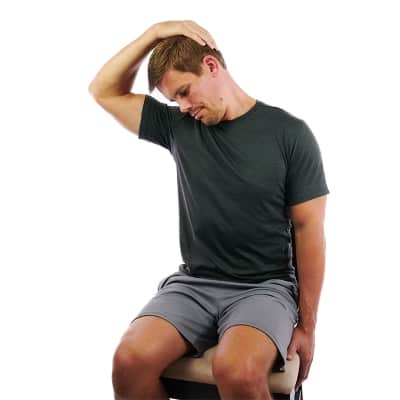
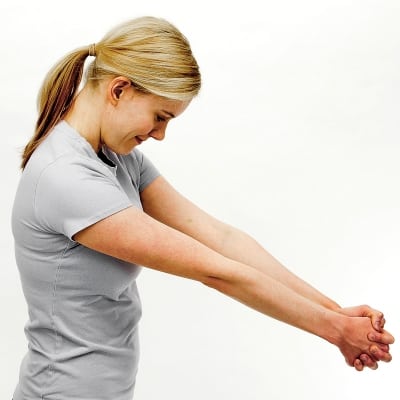
Here are some stretching exercises you can do after your next bike ride.
Chin Tuck
Upper Trapezius Stretch
Levator Scapulae Stretch
Rhomboid Stretch
Doorway Stretch
Prayer Stretch
Wrist Rotation Stretch
The Ulnar Nerve Mask
Start by touching your thumb and index finger together, as shown. Next, twist your hand upside down so that your fingers make contact with your cheek, and you can see through the hole that your fingers created.
Tips for Cycling with Raynaud's Syndrome:
Despite the challenges that Raynaud’s Syndrome presents for cyclists, several strategies can help manage symptoms and make cycling more comfortable. Here are some tips to consider:
Dressing appropriately: One of the most straightforward and sensible things cyclists with Raynaud’s Syndrome can do is dress appropriately for the weather. Wear layers of breathable clothing that you can take on or off as needed. It is also important to wear gloves, socks, and hats made from insulating and wicking materials that can help keep the extremities warm when you are wet from sweat.
Preparing for the ride: Before heading out for a ride, cyclists with Raynaud’s Syndrome should warm up indoors to get the blood flowing to their extremities. Do some light stretching or a muscle activation program to get the blood circulating. Learn more about muscle activation below.
Keeping hands and feet warm: During the ride, it is important to keep them warm to prevent symptoms from worsening. Cyclists can use heated gloves or socks or carry hand and foot warmers during breaks. The toe warmers with an adhesive backing work well inside the glove lining and on the toes of your socks and don’t move around.
Managing symptoms during the ride: If symptoms do occur during the ride, cyclists should take a break and warm up their extremities. It can include going indoors, using a warm compress, or doing gentle exercises to get the blood flowing.
By following these tips, cyclists with Raynaud’s Syndrome can help manage their symptoms and continue to enjoy cycling. However, each person’s experience with Raynaud’s Syndrome is unique, and these tips may need to be adapted to suit individual needs.
Making the necessary Bike Fit, Equipment, and Postural Corrections Are Essential
There are several Cycling With Raynaud’s Syndrome prevention tips you can follow.
- Position your hands shoulder-width apart, and ensure your handlebars are the correct width.
- Hold your wrists in a neutral position.
- Don’t lock your elbows.
- Use cycling gloves with anatomically positioned padding and cushioned bar tape to absorb vibration and lessen the impact.
- For off-road and mountain biking, adjust the shock absorption of the front shocks for a more comfortable ride with less vibration.
- Rotate the brake levers down on the handlebars to reduce the extension of your wrist.
- Use a relaxed grip on the handlebars. Stop the death grip!
- Set your bike handlebar height for a slight bend in the elbows.
- Change your hand position every three to five minutes from the brake hoods to the drops to the bars.
- Install anatomically-designed handlebars to decrease the pressure on your wrists.
Cycling Accessories for Raynaud's Syndrome:
In addition to dressing appropriately and managing symptoms during the ride, cyclists with Raynaud’s Syndrome can also benefit from using specific cycling accessories designed to help keep the extremities warm. Here are some accessories to consider:
Heated gloves and socks: Heated gloves and socks provide warmth to the hands and feet, which can be especially helpful for cyclists with Raynaud’s Syndrome. These accessories typically use battery-powered heating elements to provide heat and are available in various styles and sizes.
Hand and foot warmers: Hand and foot warmers are disposable packets placed inside gloves or socks to provide warmth. These can be especially useful for longer rides where battery-powered accessories may only last part of the time.
Windproof and waterproof gear: Wind and water can worsen Raynaud’s symptoms, so cyclists with Raynaud’s Syndrome should consider investing in windproof and waterproof gear to help keep the extremities dry and protected.
Precautions and Safety Measure When Cycling with Raynaud's Syndrome
Cycling with Raynaud’s Syndrome can be a nagging nuisance, but with proper precautions and safety measures, you can reduce the risk of complications and enjoy riding your bike. It may seem common sense, but they’re worth mentioning. Some cyclists lose sight of the simple things.
First and foremost, a primary precaution when cycling with Raynaud’s Syndrome is to avoid cold and windy conditions. These conditions can exacerbate your symptoms, so riding during warmer and calmer weather conditions is best. If you must ride in colder temperatures, wear extra layers and consider using hand and foot warmers to keep your extremities warm.
Paying attention to your body and taking breaks as needed is also a wise idea. If you start to experience pain, numbness, or tingling in your fingers or toes, take a break and warm up your extremities. Consider bringing a thermos of warm water or a heating pad to help with this.
When cycling with Raynaud’s Syndrome, take extra precautions to avoid accidents and injuries. It may include riding on well-lit roads, wearing reflective clothing, and using appropriate safety gear such as helmets and lights. Additionally, follow traffic rules and signal your intentions to other riders and drivers.
It goes without saying, but when you suffer from Raynaud’s syndrome injuries are often slower to heal. No cyclist has time for that.
Conclusion—Cycling with Raynaud's Syndrome
Cycling with Raynaud’s Syndrome can be a challenging experience, but it’s not impossible. With the right precautions and equipment, you can still enjoy the freedom and exhilaration of cycling while managing your symptoms.
Remember, Raynaud’s is like a traffic light system for your fingers and toes. You need to pay attention to the signals and adjust your behavior accordingly. Just like a driver needs to slow down and stop at a red light, you need to take breaks and warm up your extremities when you start to feel the symptoms of cycling with Raynaud’s Syndrome.
But don’t let Raynaud’s stop you from pursuing your passion for cycling. Embrace the challenge, take the necessary precautions, and enjoy the ride!
To subscribe to the Zommunique and receive more informative and entertaining articles like this one sent directly to your inbox, click here!
Semi-retired after more than 20 years as the owner and director of a private Orthopedic Physical Therapy practice, Chris now enjoys the freedom to dedicate himself to his passions—virtual cycling and writing.
Driven to give back to the sport that has enriched his life with countless experiences and relationships, he founded a non-profit organization, TheDIRTDadFund. In the summer of 2022, he rode 3,900 miles from San Francisco to his “Gain Cave” on Long Island, New York, raising support for his charity.
His passion for cycling shines through in his writing, which has been featured in prominent publications like Cycling Weekly, Cycling News, road.cc, Zwift Insider, Endurance.biz, and Bicycling. In 2024, he was on-site in Abu Dhabi, covering the first live, in-person UCI Cycling Esports World Championship.
His contributions to cycling esports have not gone unnoticed, with his work cited in multiple research papers exploring this evolving discipline. He sits alongside esteemed esports scientists as a member of the Virtual Sports Research Network and contributes to groundbreaking research exploring the new frontier of virtual physical sport. Chris co-hosts The Virtual Velo Podcast, too.