Women in Cycling Esports: Breaking Barriers and Modeling Gender Equality for Future Generations

Female cyclists often face obstacles that their male counterparts do not, but “Why?” Cycling esports can help close the gender gap.

By Beccah Niesen

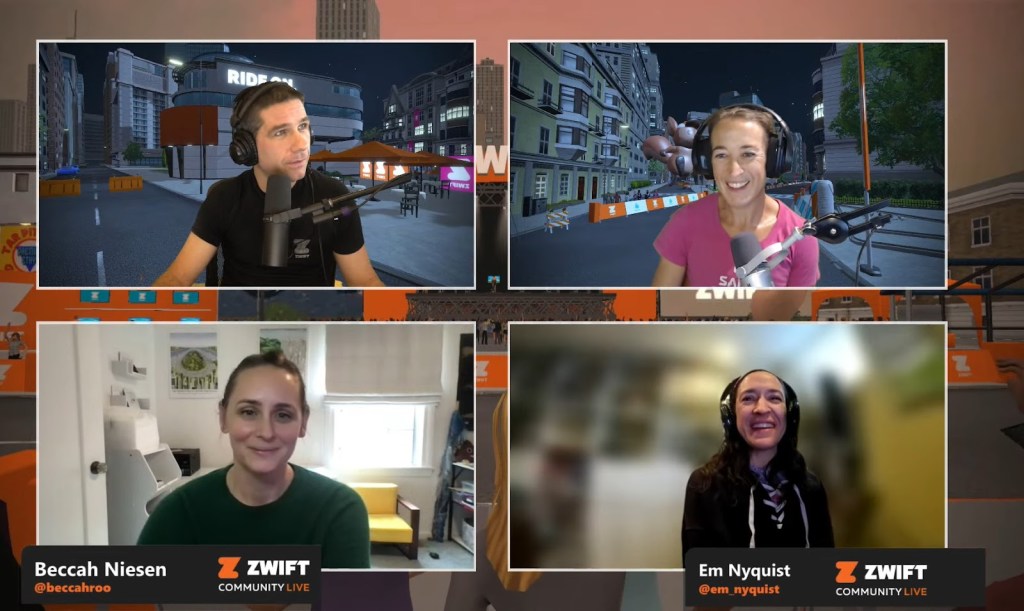
FemmeCycle Collab Next Women’s Racing - Becca and Em on Zwift Community Live

Women cyclists are having a moment. Scenes like the breakaway by Kristen Faulkner in the road race at the Paris Olympics in Summer 2024 made headlines, highlight reels, and inspired at least one Zwifter, suggesting a similar move (now “the Faulkner”) in an online race. Many, if not most, cycling fans now recognize that women’s cycling is both different from men’s cycling and as exciting to follow. However, while women’s cycling has grown significantly in recent years, gender disparities remain prevalent. From underrepresentation in professional teams to limited media coverage to vast differences in pay and support, female cyclists often face obstacles that their male counterparts do not. 

Part of the struggle to realize gender equality may arise from trying to change the structure already in place around prize money, sponsorships, and established Tour events. Even with most parties trying to address the gap between the genders, contracts, and coverage, it’s slow to change and sometimes legally cannot. The existing lack of parity not only hinders the progress of women’s cycling but also sends a discouraging message to the next generation of young women racers about their potential in the sport [1]

An interesting opportunity to close the gap between genders in the sport has arisen from virtual cycling and esports. In the last 10 years, the genre has exploded with various interfaces, growing the capacity to race online from RGV/Rouvy to Zwift to IndieVelo (which is now TrainingPeaksVirtual) to MyWhoosh. This new genre, separate from the structure and sponsorship of teams racing outside, encompasses both competitive and non-competitive aspects, presenting a compelling platform for promoting gender equality and female empowerment. The sport has created a unique opportunity for women’s only racing to start fresh with equal opportunity for airtime, exposure, and prize money.

You Can’t Be It If You Can’t See It

It’s crucial for women to be visible in every facet of cycling esports—roles like racing, coaching, broadcasting, and race organizing—to demonstrate to future generations that they can pursue and excel in any role. It’s simple: “You can’t be it if you can’t see it.” When young girls see women succeeding as leaders in the cycling world, it can expand their horizons and inspire them to pursue their own cycling dreams. [2] It also challenges stereotypes about what women can achieve in a traditionally male-dominated sport.

Furthermore, having women in all areas of cycling benefits the sport as a whole. Women bring unique perspectives and skills, fostering innovation and enhancing the overall cycling experience while creating and sustaining an online community. A truly inclusive cycling community, where women are fully represented, is a stronger and more dynamic one.

Women sometimes have a hard time talking about their contributions and accomplishments, but spotlighting the work being done by women and how they feel about the women’s community in esports can elevate everyone’s understanding of the field. There are great examples of women leading the virtual cycling community space already, bringing a distinct signature. Many women in the links below are known leaders in the women’s community, and we spotlight them to show how women can and have made a difference in this nascent, uniquely femme cycling esports space.

Women in Cycling Broadcasting and Commentating: Emma Martin

Emma Martin has seamlessly bridged the gap between cycling esports and outdoor racing, establishing herself as a versatile and respected commentator. From calling the action in cycling esports to providing expert commentary at City Mountainbike MTB XCE World Cups and UCI World Championships—including Gravel, Para-cycling, MTB, Artistic Cycling, and Cycleball—her voice has become a fixture across multiple disciplines.

She covers mixed-gender events as well as women’s and men’s races, further cementing her reputation as an authoritative presence in the sport. We asked her to share her thoughts on the impact she’s had in bridging the gender gap in cycling.

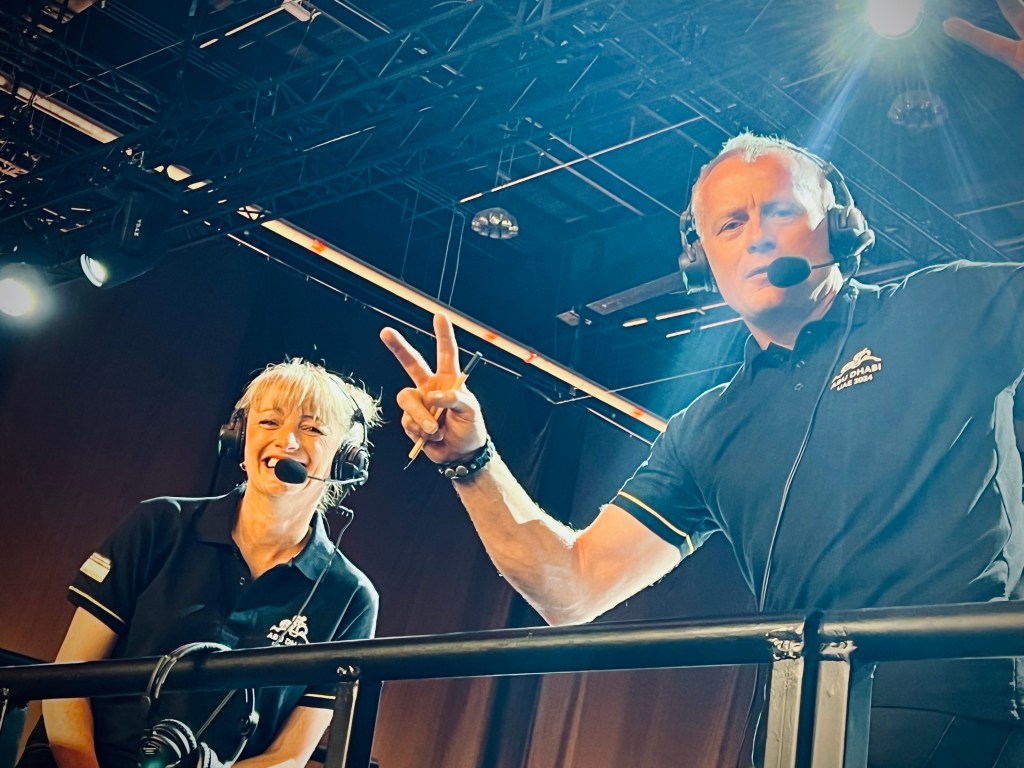
Matt Payne and Emma Martin at UCI Cycling Esports World Championship
Emma broke new ground putting words to the action of the first live UCI Cycling Esports World Championship final in Abu Dhabi in 2024

How were you introduced to commentating?

“Cycling esports opened a door for me that might never have been opened otherwise. The barriers to entry were so much lower. Imagine trying to break into road or MTB World Cup commentary without any prior experience behind the mic—it just wouldn’t happen.

Like many people, COVID and the rise of cycling esports created an opportunity. I found myself stepping up to the mic for live events on Zwift week in and week out, and that’s where my commentary journey began. Fast-forward four years, and I’ve now commentated at eight World Championship events and multiple World Cups while also regularly working on MyWhoosh Sunday Race Club and co-hosting the Virtual Velo Podcast.”

Who has inspired and influenced your evolution as a commentator?

“Women commentating and presenting in other sports highlight the need for all sports to embrace the skills and expertise of female hosts and commentators. Claire Balding and Orla Chennaoui have shown that you can step into the space and be yourself. In cycling, expert pundits like Dani Rowe and Helen Wyman prove the value of color commentary from ex-elite athletes, while José Been and Hannah Walker showcase the strength of female lead commentators.

Within the broadcast community, being female is often a positive. There is a real effort to create balance, and talent is judged on ability rather than gender. However, the viewing audience can be a different story. When commentating on a women’s race, most online comments focus on the racing. But when covering a men’s race, there’s often a different tone—questions like, ‘What is a woman doing commentating on men’s sport?’ Interestingly, this kind of scrutiny doesn’t happen in esports.

That negativity shouldn’t stop women from stepping into these spaces—whether as a commentator, podcaster, DS, event organizer, or team leader. In many ways, cycling esports has been more open to women in these roles than traditional cycling disciplines.”

FemmeCycle Collab logo
Click the image for more insightful FemmeCycle Collaborations!

Women Racers Pushing Boundaries at Cycling Esports' Elite Level: Gabriela Guerra

In the racing world, there are cross-over racers who are respected by both men and women, who show how dynamic a racer can be. One such racer, Gabriela Guerra, has a long history of breaking gender barriers, and she shared her perspective and experiences.

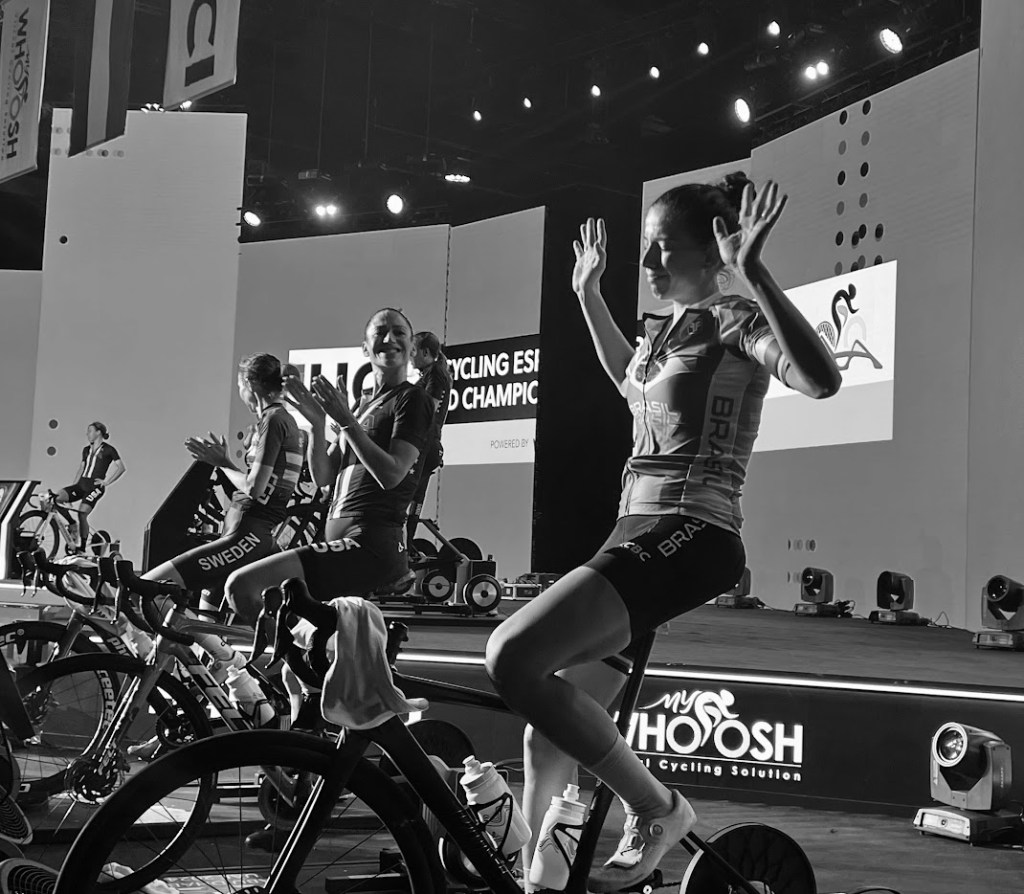
Brazil's Gabi Guerra

How have the strong female role models in your life influenced your evolution as an athlete?

“When I was younger and into skateboarding, I naturally looked up to other women, even when there weren’t many. It’s the same in sports today—I instinctively look to female athletes to learn from or alongside because we are so different from men, both emotionally and physiologically. In many ways, it’s more productive and precise to relate to those with similar experiences. That said, I also love training hard with men, including my husband.”

Is it essential to see women in varied roles in cycling esports?

“I think it’s important to have women in these roles—whether as commentators, recon video analysts, DS, or team captains—because we bring a different perspective. We think differently and often have an emotional insight that adds depth to the coverage and decision-making.

That said, men do a great job in many of these roles, and I don’t mind it at all. In some cases, I even prefer the more direct and straightforward approach that men tend to have. It’s all about balance, but I believe having women in every role can bring value in different ways.”

Women in Cycling Esports Event Organization: Karla Williams

In the race organization world, Karla Williams, co-founder of the esports team Aeonian Race Team, has spent the past four years organizing events and supporting fellow women race organizers through her Discord server, The Warrior Games. Her races stand out for their storytelling, incorporating the backstories of warrior women—seen in the Iceni Women’s Series and Tour de Boudicca.

She focuses on creating events that not only highlight what women love about racing but also showcase their abilities across all levels of competition. Here is what she had to say on a topic that is near and dear to her heart.

Why are you such a strong supporter of Women-only Stage Race events?

“There’s something truly unique and special about women-only stage races—the energy, the camaraderie, and the fun are unmatched. These events foster a supportive and empowering environment. They provide a space for women to focus on their strengths, build confidence, and create lasting connections with other racers. 

Women-only races also help spotlight female athletes, celebrating their achievements and encouraging broader participation in the sport by inspiring newcomers to see what’s possible. Additionally, these events often emphasize storytelling, community building, and shared experiences, making them about more than just competition—they’re about creating a sense of belonging and collective growth.”

How do women's-only differ from mixed gender events?

Women’s events tend to have a distinctly different atmosphere compared to mixed events. They often prioritize inclusivity and collaboration, fostering an environment where racers feel encouraged and supported rather than solely focused on intense competition. This creates a space for strategic and creative racing that celebrates skill and teamwork. 

Mixed events, on the other hand, can sometimes be dominated by different dynamics, where women may feel overshadowed or less represented. In women-only events, the focus is entirely on showcasing the talents and capabilities of female racers, allowing their efforts to take center stage. These events also provide a platform to address and celebrate the unique challenges and experiences of women in racing, creating a space for athletes to connect and grow together.

Women Behind the Scenes in Coach, Director Sportif, and Strategist Roles: Anna Russell

Anna Russell built an impressive career as a triathlete, qualifying to race at the Ironman World Championships as a professional and securing multiple podiums at long-course World Championships as an amateur. She finished fourth at the short-course triathlon amateur World Championships while pregnant and caring for an 18-month-old son, then qualified for the 70.3 World Championships while still breastfeeding.

In cycling esports, she competed at the elite level in the Zwift Grand Prix for Saris-No Pinz, balancing high-performance racing with the demands of motherhood and her role as an endurance coach. As her focus shifted, she transitioned into a leadership role with Team RIOT, continuing to shape the sport from behind the scenes.

Do the tactics for women’s-only and mixed racing differ? If so, how?

Yes, absolutely I think women’s only racing has different tactics compared to mixed racing. In women’s only racing, we don’t usually have the high raw watts that some of the men do on the flat, so the terrain becomes very important as to when/where to attack. I also think that in women’s racing, the teams are so close as friends that we may sacrifice our races a bit more to get someone to win their first race or enjoy their first racing experience.

Why is it vital to have women DSing cycling esports races?

“I think it’s important to have women DSs in racing, alongside the many great male DSs out there. Women’s racing on Zwift is quite different from men’s, and having someone who understands those differences inside and out can be a real advantage. You can also be very honest with a female DS when preparing a race plan. For example, if the race falls at an inopportune time in your cycle, that’s something a DS should be aware of.

The terrain also plays a crucial role in women’s racing. Attacking on the flat with raw watts or navigating descents in mixed racing doesn’t always play to a woman’s strengths in the same way it does for men. A good DS will recognize these factors and adjust the strategy accordingly. The reality is that every course and category has its own nuances, and whether male or female, a DS needs to do their homework to get the race plan right.”

Finally, how did your racing experience impact your thoughts on women’s race strategy?

“I think my racing history is somewhat important, but more than that, it’s my passion for DSing—figuring out how to get the best out of people, playing to their strengths, and using that to benefit the whole team. I love real-life cycle racing and the tactics that come into play, and I spend a lot of time listening to podcasts that dive deep into race strategy.

I’m also a big maths nerd, and cycling team tactics involve a lot of game theory—predicting the actions of independent and competing riders in a strategic setting to make the best possible decisions. In simple terms, how do you predict what someone else in the race will do and use this to your advantage?

A great example is sprint strategy. Sometimes, going early or attacking at an unexpected moment forces stronger sprinters into making suboptimal choices. It’s about understanding how to manipulate the race in your favor.”

Conclusion: Cycling Esports Presents a Unique Opportunity

The evolution of cycling esports presents a unique opportunity to bridge the gender gap in professional cycling, offering women equal exposure, prize money, and leadership roles. The sport provides a fresh start for gender equality, allowing women to excel as racers, commentators, organizers, and strategists. Representation is crucial—when young women see successful female figures in cycling, they are inspired to pursue their own ambitions.

The contributions of pioneers in broadcasting, race organization, and competition demonstrate that women not only belong in cycling esports but also help shape its future. By embracing inclusivity and providing equitable opportunities, cycling esports can model a more balanced and dynamic future for the sport as a whole.

References

1. See, for example, the following article highlighting that “despite increased ‘professionalisation’ of women’s road cycling, women cyclists lack proper wages, safe working conditions, significant prize money, and suitable economic and career opportunities.” Suzanne Ryder, Fiona McLachlan, Brent McDonald, The Professionalisation of Women’s Sport (2021). 

2. See, as an example, Deborah L. Rhode, The Subtle Side of Sexism, 16 Colum. J. Gender & L 613, 618 (2007)  which points to social science data demonstrating that subconscious biases can reinforce sex-based inequality.

Subscribe
Notify of
guest

0 Comments

Latest Podcast!

Virtual Velo Podcast New Episode Ep. 91 Virtual Cycling Singapore Yi Jun
Check out Episode 91 here!
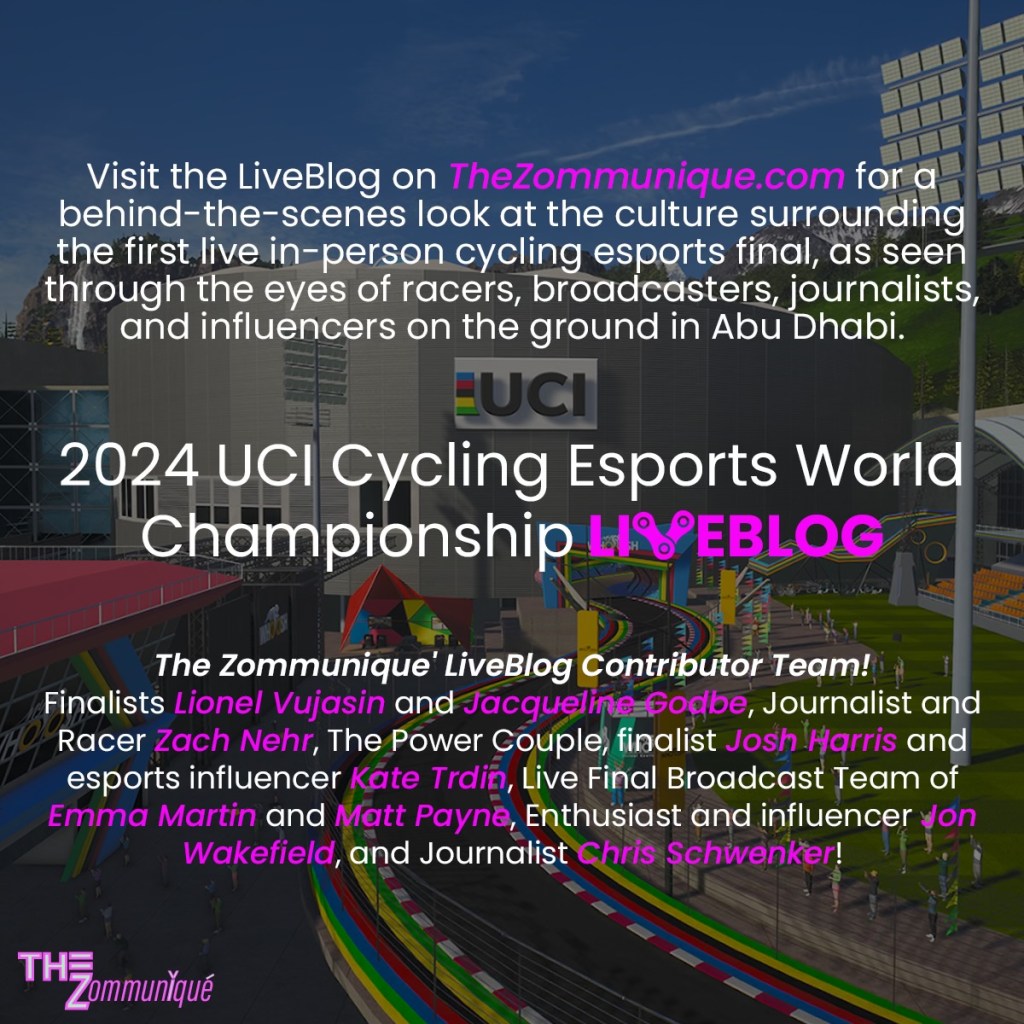
UCI Cycling Esports World Championship LiveBlog
Click to join the fun!

Latest Posts!

Use code ZOMM50 at checkout for $50 off your Velocity Rocker Plate order exclusively for our followers!

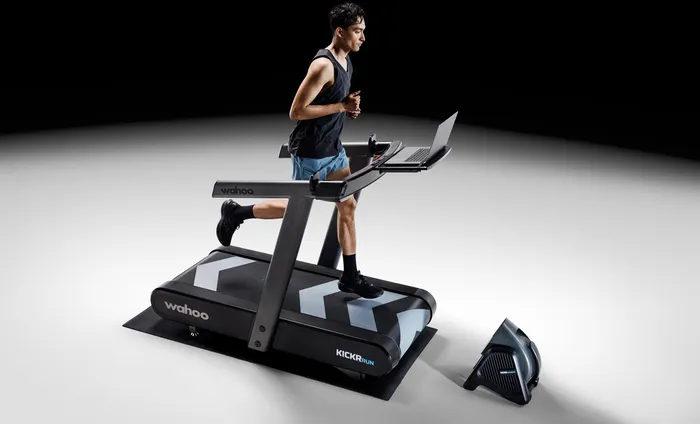
Wahoo Run Smart Treadmill
Click the image to be one of the first to get the revolutionary Wahoo Run Smart Treadmill!
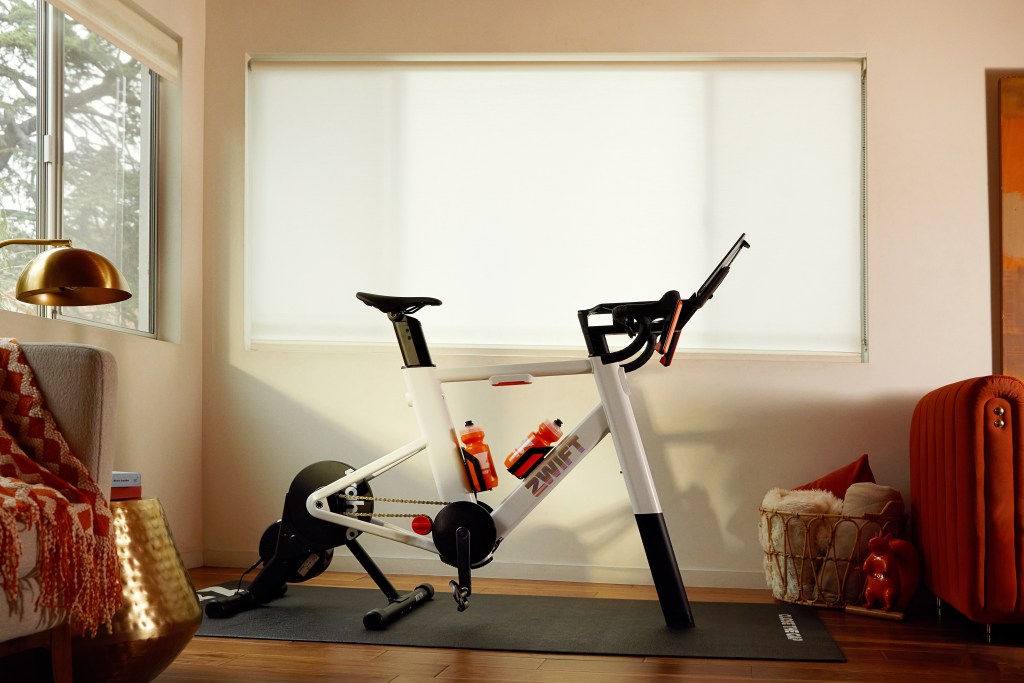
Zwift ride frame
Click for complete line of Zwift Bikes!

Do you want to join the VVN team? Tap the logo for details!

The Zommunique’ Community gets 10% off at LEVELVelo.com with coupon code “TheZomm gives 10% off”   

Broadcast Partner to The Virtual Velo Network!

The DIRT Dad Fund

Contribute to a great cause!

The DIRT Dad Fund

Share the power of The DIRT Effect

Click to see the full Zwift product line!

Jaclyn Long, MFT

Certified Yoga & Mindfulness Teacher

Marriage & Family Therapist in CA

Sports Anxiety Therapy

Purchase your Zwift Play controllers here!

0
Would love your thoughts, please comment.x
()
x
The Zommunique
Privacy Overview

This website uses cookies so that we can provide you with the best user experience possible. Cookie information is stored in your browser and performs functions such as recognising you when you return to our website and helping our team to understand which sections of the website you find most interesting and useful.