This "serious, but nowhere near elite" amateur has made every mistake in the book on the way to understanding fair racing protocols—so you don’t have to.
Follow along as I simplify the Power Passport Test and other essential steps to level up in cycling esports.
by David “DT” Thompson
I am all in on cycling esports and take it very seriously. While I may not have the talent or time to compete with the best, that doesn’t lessen my sacrifice or satisfaction. Waking up at ungodly hours to squeeze in a ride before the sun rises has become my routine during my decade-long evolution as an “indoor specialist.”
I’ve embraced the multi-platform model and juggled numerous weekly events across various virtual cycling platforms. One event that stood out this past year is the Sunday Race Club (SRC) on MyWhoosh.
Let me tell you upfront: just getting to the start line is intimidating and challenging. I’m here to share my experience and emphasize, “If I can do it, you can too!”
Why is it Worth Jumping The Sunday Race Club Hurdles?
The SRC is the premier event on MyWhoosh, where riders of all categories compete for generous cash prizes. For me, it’s not about the money—instead, the prospect of racing on a level playing field against other dedicated amateurs hooked me.
MyWhoosh has a rigorous Power Passport Test (PPT) to keep things fair. The pre-verification procedure ensures the competition stays honest by verifying your performance through strict hardware requirements, dual recording (comparing data from two different power sources), and physiological testing.
Now, I am pretty experienced in transparency practices like dual recordings and weigh-ins, but what about the PPT? It’s next-level.
Completing it was both a challenge and an accomplishment, made even more rewarding by knowing that every competitor at the starting line overcame the same hurdles to ensure fair racing.
MyWhoosh Hardware Requirements
Step One: Hardware Requirement Roadblocks
After binge-watching SRC live streams and obsessing over the competition, I jumped in. That’s when I hit my first roadblock: hardware requirements.
The cycling esports world offers seemingly endless options for smart bikes, trainers, and heart rate sensors at multiple price points. But SRC has strict rules, and my trusty Stages SB20—my companion for four years—wasn’t on the approved list. Heartbroken but undeterred, I watched from the sidelines for months.
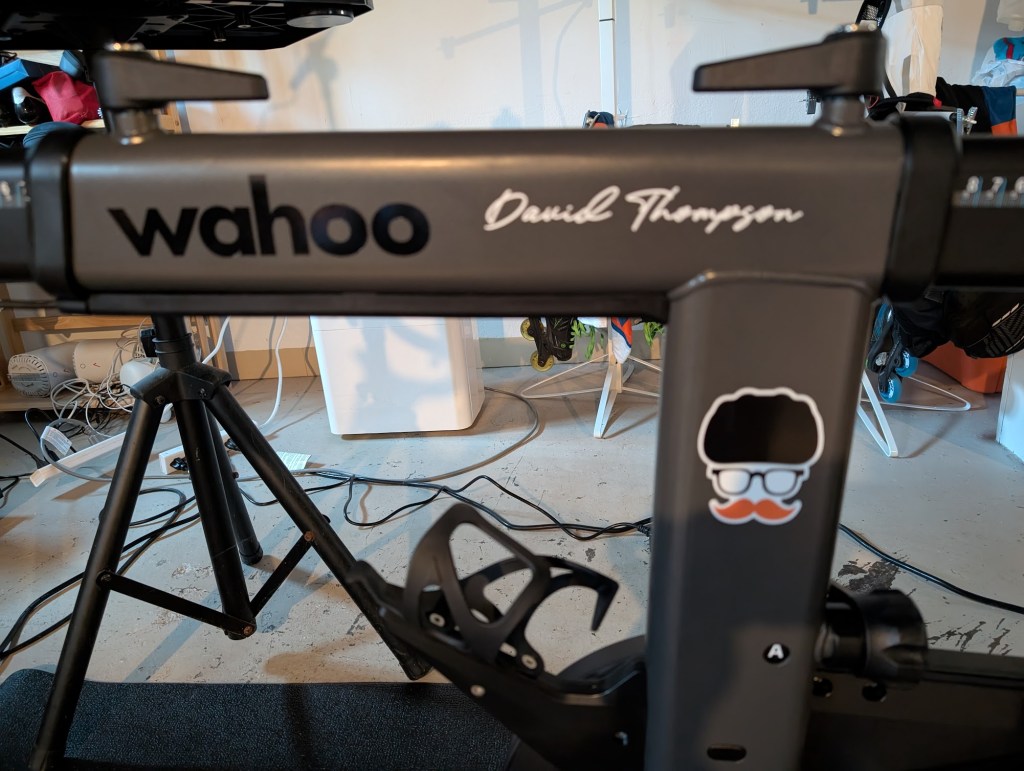
Finally, fate (and a failing power meter) gave me the excuse I needed to upgrade. Enter the Wahoo Kickr Bike Shift—a freight truck delivered it to my doorstep, and I was ready to rock.
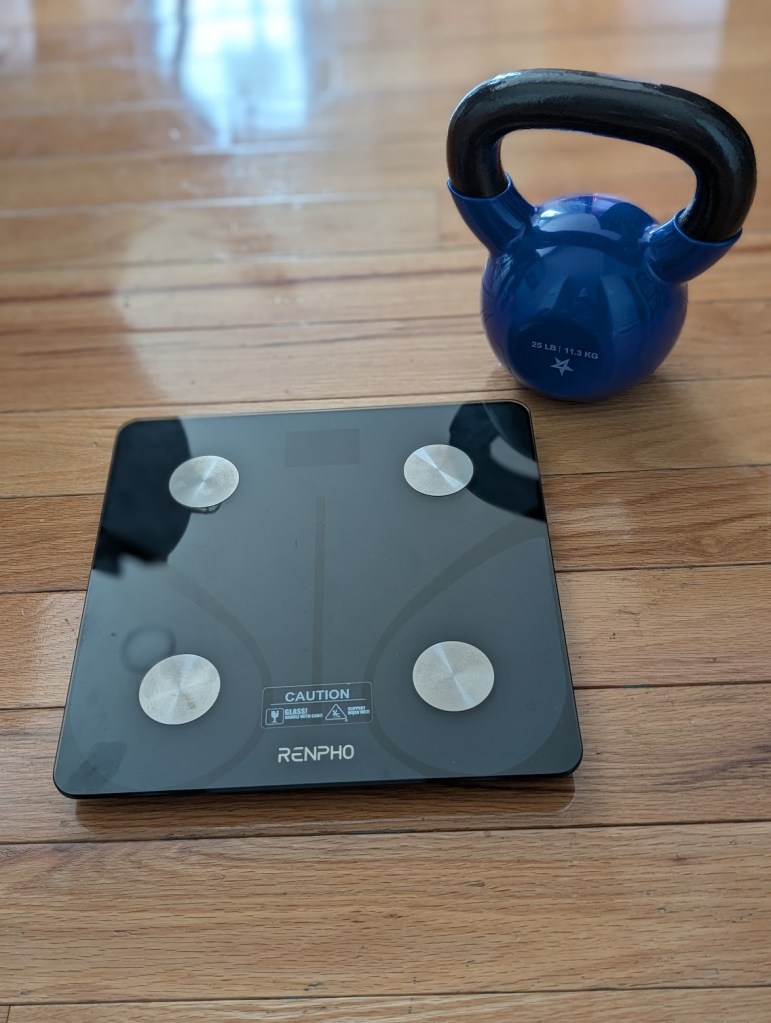
Of course, there were more hurdles. My beloved optical arm-based heart rate monitor wasn’t allowed, so I had to grab a chest strap sensor. Then, I needed a 20kg weight to calibrate my scale for the weigh-in—shoutout to my Amazon delivery driver for hauling that kettlebell to my porch. With my setup complete, I was officially ready to conquer the PPT!
Other things I learned!
- Racers can only use the following hardware in the SRC.
- Tacx Neo – any version
- Wahoo Kickr – V5, V6 or Move
- Elite Justo 1,2
- Wahoo Kickr Bike – V1, V2, Shift
- Tacx Neo Bike, any version
- Wattbike Atom
- Only chest strap heart rate monitors are permitted. You can’t use monitors with optical sensors, such as the Wahoo Tickr Fit and Polar Verity Sense.
- You must set the Trainer Gradient Difficulty setting in the game to at least 50%. So, why would you put it any higher?
The latest version of the MyWhoosh Rules and Regulations is here.
Step Two: Tackling the Power Passport Test
The day finally arrived to tackle the PPT and move on to high-quality racing. Leading up to the test, I texted my friends countless times, asking for tips and tricks to avoid any mistakes that might force a dreaded second attempt.
I even created a PPT Cheat Sheet to guide me and felt ready to rock. (I’ll share it as a PDF here for you! Print it and keep it nearby to reference during the recording.)
Click here for the downloadable pdf!
Honestly, I wasn’t as worried about hitting the required watts as I was about the filming and uploading process for the video (spoiler alert: my recording was almost 90 minutes long).
The Power Passport Test includes four components, all filmed continuously in one take:
- Height Video
- Needs: Tape Measure and Pencil
- Pro Tip: Make sure the measuring tape is affixed securely to the wall before you begin recording.
- Video Requirements: Show the tape measure on camera starting from the ground, then measure yourself while marking your height with a pencil. Display the marking clearly alongside the measured height.
- Hardware Video
- Needs: Double-check that your primary power source (trainer), secondary power source (power meter), and heart rate monitor are on the approved list.
- Pro Tip: You’ll need the serial numbers from the primary and secondary devices, which you can find in their respective apps. Make sure to have these ready for the Pre-Verification Form.
- Video Requirements: Display the primary and secondary power sources, as well as the heart rate sensor, clearly on camera, ensuring a 360-degree view of the bike setup. Additionally, film the pairing process of all devices directly in-game, ensuring you use BLE (Bluetooth Low Energy) only, not Ant+.
- Performance Test
- Needs: Open the MyWhoosh app and navigate to the UI. Select Workouts>Power Passport Test from the Workout Library.
- Pro Tip: This part is long, almost an hour, so connect your phone or video recording device to a power source.
- Video Requirements: The test is challenging but straightforward. Ensure your entire body, including your feet pedaling, is visible on camera during the test, with the game screen clearly shown as well.
- Weigh In Video
- Needs: A digital scale and at least a 20-kilogram weight.
- Pro Tip: Be sure to place the scale in the middle of the room, with nothing within arm’s reach to hold onto. Additionally, be prepared to film the underside of the scale for verification.
- Video Requirements:
- Begin by filming the underside of the scale, then show a clear zero reading on the scale.
- Next, place a known weight on the scale, ensuring the value is clearly visible, and film the reading.
- Remove the weight and show the scale returning to zero. Step onto the scale yourself, capturing the weight reading clearly, followed by an overhead shot showing your entire body to verify you’re not holding onto anything that could alter the reading.
- Finally, step off the scale and show the final zero reading. At this point, you can stop filming.
Step Three: Hold Your Breath and Upload the Video
Once done, upload your video to YouTube as “Unlisted” and submit the link and the other requested information through the Pre-Verification Form.
Now’s the time to check out the SRC Road Book & Technical Guide, which you can find here.
After doing all this work, you don’t want to show up unprepared. We must take accountability for ourselves!
Is It Worth It?
Here’s the big question: is all this effort worth it? It’s a valid question. Honestly, it depends on which camp you’re in, your goals, and your expectations.
If you’re just here for a good workout, jumping through all these hoops might feel unnecessary. However, if you’re serious about cycling esports, supporting its growth, and prioritizing fair, top-level competition, the SRC sets the gold standard.
My personal experience has been amazing. The SRC is professionally run, each race pushes me out of my comfort zone, and I love testing myself against the best in the world. Plus, participating helps validate the sport’s reputation and shows the community that there’s a real appetite for verified amateur racing.
So, if you’re even a little curious, give SRC a try. Who knows? You might find yourself hooked. See you at the starting pen! 🚴♂️
Semi-retired after more than 20 years as the owner and director of a private Orthopedic Physical Therapy practice, Chris now enjoys the freedom to dedicate himself to his passions—virtual cycling and writing.
Driven to give back to the sport that has enriched his life with countless experiences and relationships, he founded a non-profit organization, TheDIRTDadFund. In the summer of 2022, he rode 3,900 miles from San Francisco to his “Gain Cave” on Long Island, New York, raising support for his charity.
His passion for cycling shines through in his writing, which has been featured in prominent publications like Cycling Weekly, Cycling News, road.cc, Zwift Insider, Endurance.biz, and Bicycling. In 2024, he was on-site in Abu Dhabi, covering the first live, in-person UCI Cycling Esports World Championship.
His contributions to cycling esports have not gone unnoticed, with his work cited in multiple research papers exploring this evolving discipline. He sits alongside esteemed esports scientists as a member of the Virtual Sports Research Network and contributes to groundbreaking research exploring the new frontier of virtual physical sport. Chris co-hosts The Virtual Velo Podcast, too.